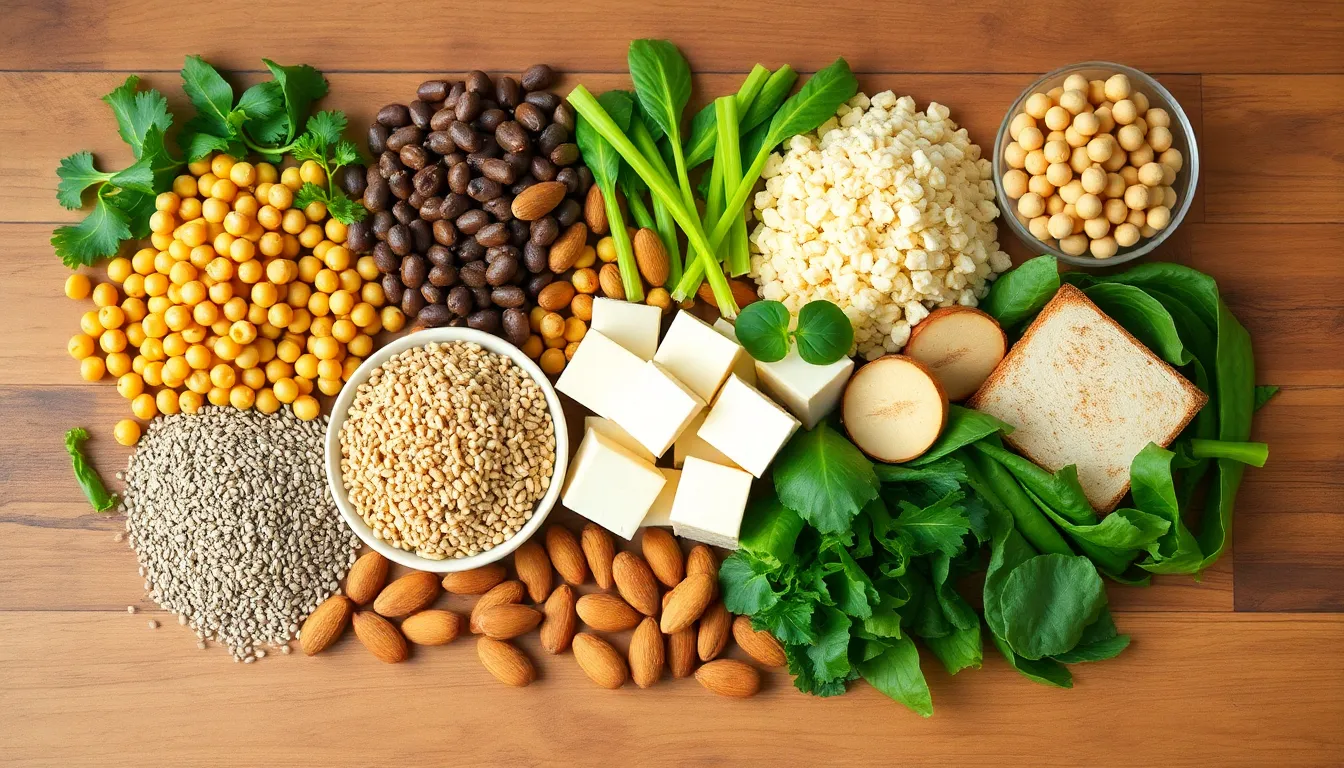
Imagine a world where your meals are not only delicious but also bursting with nutrients. Healthy vegan eating isn’t just for tree-huggers and tofu enthusiasts anymore; it’s for anyone who wants to feel great and maybe even impress their friends with a kale salad that doesn’t taste like rabbit food.
Healthy vegan eating emphasizes nourishment and flavor. It focuses on utilizing a variety of plant-based ingredients to create balanced meals.
Definition and Principles
Healthy vegan eating involves exclusively consuming plant-derived foods. This approach includes fruits, vegetables, whole grains, nuts, and seeds. Prioritizing nutrient-dense choices supports overall health while avoiding processed vegan options high in sugars and sodium. Meal planning becomes essential for ensuring proper nutrition. Key principles include balancing macronutrients, incorporating diverse ingredients, and staying aware of deficiencies, such as vitamin B12 and iron. Following these guidelines promotes a sustainable, ethical diet while enjoying delicious meals.
Nutritional Benefits
Healthy vegan eating offers numerous nutritional advantages. Plant-based foods provide rich sources of fiber, which aids digestion and promotes satiety. Antioxidants found in fruits and vegetables help reduce inflammation and lower chronic disease risks. Additionally, such diets are often lower in saturated fats, contributing to heart health. Studies link vegan diets to reduced body weight and improved cholesterol levels. Moreover, well-planned vegan diets supply essential nutrients while minimizing unhealthy components. Emphasizing whole foods enhances nutrient absorption and overall well-being.
Essential Nutrients in a Vegan Diet
A well-planned vegan diet contains essential nutrients that support health. This includes a focus on protein sources and the intake of vital vitamins and minerals.
Protein Sources
Protein remains crucial for muscle maintenance and overall health. Plant-based proteins are abundant in foods such as lentils, chickpeas, and quinoa. Nuts and seeds, like almonds and chia seeds, also contribute significant protein levels. Tofu and tempeh, derived from soybeans, provide complete protein profiles. Combining different plant foods enhances amino acid intake, ensuring adequate protein consumption throughout the day.
Vitamins and Minerals
Key vitamins and minerals play significant roles in a vegan diet. Vitamin B12 is essential for nerve function and can be obtained through fortified foods or supplements. Calcium sources include fortified plant milks and leafy greens like kale. Iron is important for blood health and can be sourced from lentils and beans; pairing these with vitamin C-rich foods enhances absorption. Omega-3 fatty acids, crucial for brain health, can be found in flaxseeds and walnuts. Attention to these nutrients helps maintain balanced health in a vegan lifestyle.
Meal Planning and Preparation
Meal planning and preparation play vital roles in healthy vegan eating. They ensure balanced nutrition and help maintain a diverse array of flavors.
Balanced Vegan Meal Ideas
Create balanced vegan meals by incorporating various food groups. One option includes a quinoa bowl filled with black beans, bell peppers, and avocado. Another idea is a hearty lentil stew paired with whole grain bread for added fiber. Consider combining leafy greens with roasted vegetables for a nutrient-dense salad. Incorporating nuts and seeds adds healthy fats, while smoothies with fruits and spinach provide a quick, nourishing breakfast. Aim for meals that are colorful and rich in nutrients to support overall health and well-being.
Shopping Tips for Vegan Ingredients
Shopping for vegan ingredients requires a strategic approach. First, shop the perimeter of the store, where fresh produce, grains, and legumes are typically located. Opt for seasonal fruits and vegetables to ensure cost-effectiveness and freshness. Check labels for hidden animal products and focus on whole, unprocessed items. Visit local farmers’ markets for unique finds and organic options. Stock up on pantry staples like dry beans, lentils, and whole grains for easy meal preparation. Lastly, consider buying in bulk to save money on essentials while reducing packaging waste.
Common Misconceptions About Veganism
Myths surround veganism, often leading to misunderstandings about its principles and health aspects. Addressing these misconceptions clarifies the benefits of a well-planned vegan diet.
Myths Debunked
Vegan diets lack protein. Numerous plant-based sources like lentils, chickpeas, and quinoa provide sufficient protein. Many assume vegans eat limited food options. A vibrant array of fruits, vegetables, whole grains, and legumes create diverse meals. Some believe all vegan foods are healthy. Processed vegan products can contain high sugar or sodium levels, emphasizing the need for whole foods. Others think veganism is expensive. With strategic shopping, using seasonal produce and bulk items significantly reduces costs.
Addressing Nutritional Concerns
Nutritional concerns often arise in discussions about vegan diets. Many worry about vitamin B12 levels due to limited natural sources. Fortified foods and supplements can easily address this deficiency. Iron deficiency is another common concern. Consuming legumes, seeds, and leafy greens alongside vitamin C-rich foods enhances iron absorption. Calcium intake is frequently questioned, especially for bone health. Leafy greens, tofu, and fortified plant milks offer excellent sources. Omega-3 fatty acids are also essential for overall health, with chia seeds and walnuts serving as plant-based options. Awareness of these nutrients promotes a balanced vegan lifestyle.
Conclusion
Healthy vegan eating offers a flavorful and nutritious way to nourish the body while enjoying a diverse array of plant-based foods. By focusing on whole ingredients and balanced meals, individuals can reap the benefits of improved health and well-being.
With careful planning and attention to essential nutrients, a vegan lifestyle can easily meet dietary needs without sacrificing taste. Embracing this approach not only supports personal health but also contributes to a more sustainable food system.
As more people discover the joys of healthy vegan eating, the potential for creativity in the kitchen expands, making it an exciting culinary journey.