
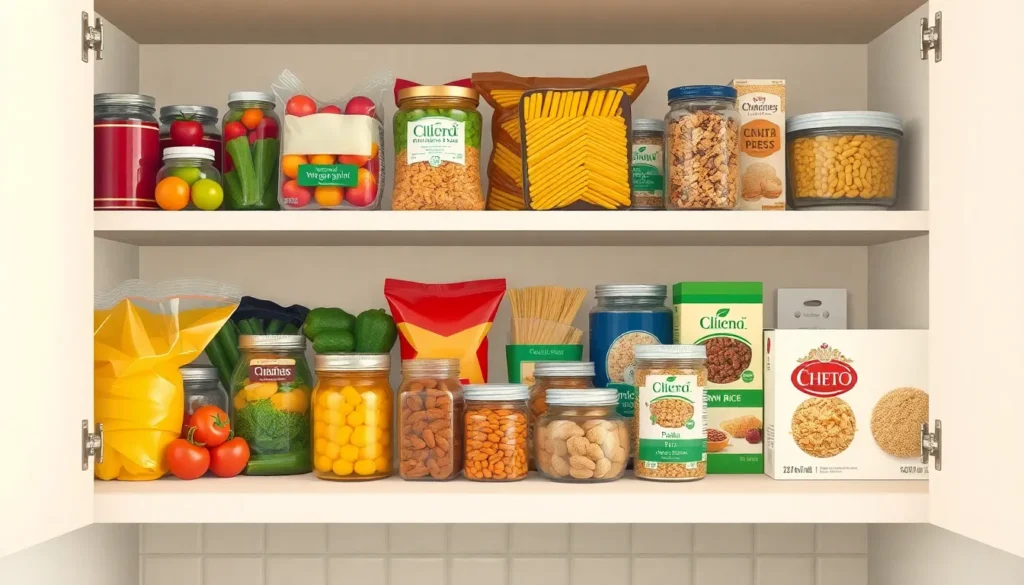
In a world where fresh produce often plays hide and seek with busy schedules, healthy non-perishable food steps in like a superhero with a cape made of quinoa. These shelf-stable delights are not just for survivalists or college students cramming for finals; they’re a savvy choice for anyone looking to eat well without the constant grocery runs.
Healthy Non Perishable Food
Healthy non-perishable foods serve as practical options for many individuals looking to maintain balanced diets. These foods typically include canned vegetables, legumes, nuts, and whole grains. They’re not only convenient but also nutrient-dense, providing essential vitamins and minerals.
Canned beans offer high protein and fiber content, promoting satiety and digestive health. Whole grain pasta or brown rice provides complex carbohydrates, essential for sustained energy. Dried fruits and nuts are excellent sources of healthy fats and antioxidants, beneficial for heart health.
Many people appreciate the long shelf-life of these foods, which reduces food waste. Stocking up on healthy non-perishables means fewer shopping trips and lower grocery bills over time. Versatile cooking options exist, allowing creative meal preparation with minimal effort.
Individuals focused on specific dietary needs discover alternatives like gluten-free grains or low-sodium canned goods. Services that deliver these foods have expanded, ensuring easy access to healthy choices. Challenging schedules no longer stand in the way of maintaining a nutritious diet.
The importance of planning reflects in the benefit of having a well-stocked pantry. Those who prioritize healthy eating find stocking non-perishable foods a wise strategy for versatile meal options. Making informed choices leads to better overall health outcomes.
Benefits Of Healthy Non Perishable Food
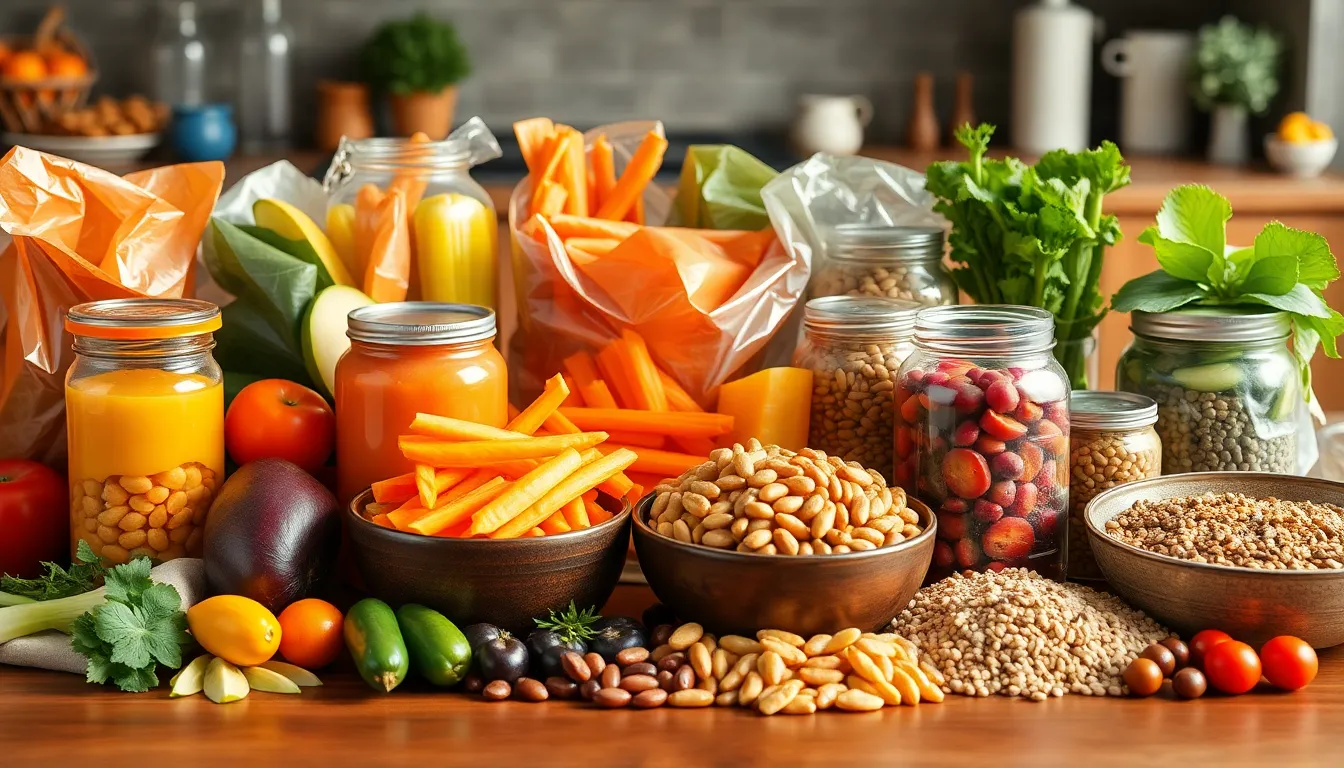
Healthy non-perishable foods offer numerous advantages, making them ideal for various lifestyles and dietary needs.
Nutritional Value
Nutrient density defines many healthy non-perishable options. Canned vegetables pack essential vitamins and minerals, supporting overall health. Legumes, such as beans and lentils, provide ample protein and fiber, contributing to digestive health. Whole grains deliver complex carbohydrates for sustained energy throughout the day. Dried fruits and nuts contribute healthy fats and antioxidants, promoting heart health. Including these foods in the diet ensures individuals receive the nutrients necessary for optimal functioning while maintaining convenience.
Convenience and Shelf Life
Convenience stands out as a primary benefit of healthy non-perishable foods. Their long shelf life allows for easy meal planning without frequent grocery trips. Stocking the pantry with these items reduces the likelihood of food spoilage and waste. Moreover, versatile preparation methods enable quick and simple meal creation. Individuals can mix and match ingredients to form numerous dishes with little effort. Access to gluten-free grains and low-sodium options accommodates a variety of dietary needs, increasing overall accessibility.
Types Of Healthy Non Perishable Food
Healthy non-perishable food options provide convenient and nutritious choices for various lifestyles. Here are some common types:
Canned Goods
Canned goods offer a wide range of nutritious options. Canned vegetables provide essential vitamins and minerals while maintaining their nutritional value. High-quality canned beans contain protein and fiber, making them an excellent base for dishes. Canned tomatoes can enhance the flavor of sauces and soups. Additionally, low-sodium options exist for those monitoring salt intake. These foods last for years and make meal preparation effortless with minimal cooking time.
Whole Grains
Whole grains are significant contributors to a balanced diet. Options include brown rice, quinoa, and whole grain pasta. These grains deliver complex carbohydrates that provide sustained energy throughout the day. They also offer dietary fiber, aiding digestion and promoting satiety. Varieties like farro and bulgur can add texture to meals. Whole grains remain shelf-stable for long periods, making them easy to store and utilize for quick, healthy meals.
Nuts and Seeds
Nuts and seeds provide healthy fats and protein. Almonds, walnuts, and chia seeds are rich in nutrients and can enhance various dishes. They support heart health and aid in maintaining energy levels. These snacks are nutrient-dense, offering antioxidants and essential fatty acids. Simple to pack for on-the-go consumption, nuts and seeds also work well in salads and smoothies. Their long shelf life ensures that healthy snacking remains accessible at any time.
Tips For Selecting Healthy Non Perishable Food
Selecting healthy non-perishable food involves a few important considerations. Paying attention to labels and choosing whole ingredients can significantly impact nutritional value.
Reading Labels
Reading labels aids in deciphering nutritional content. Seek items with minimal added sugars, unhealthy fats, and sodium. Ingredients listed in descending order reflect the composition of the product. Prioritize products that feature whole foods at the top, like whole grains, nuts, or legumes. Also, verify expiration dates to ensure freshness. Nutritional information, including calories and serving sizes, assists in making informed decisions. Understanding serving sizes is vital; it can influence how meals fit into daily caloric needs.
Choosing Whole Ingredients
Choosing whole ingredients enhances nutritional quality. Canned vegetables packed in water or their own juices maintain vitamins and minerals. Whole grains, such as brown rice or quinoa, provide fiber, aiding digestion and promoting satiety. Selecting beans and lentils as protein sources offers long-term energy. Incorporating dried fruits with no added sugars can yield essential vitamins and antioxidants. Foods free from artificial additives and preservatives support overall health. Assessing the ingredient list for recognizable components ensures wholesome choices. Aim for combinations that offer diverse nutrients, creating a balanced pantry.
Conclusion
Healthy non-perishable foods are a game changer for anyone seeking convenience without sacrificing nutrition. By incorporating items like canned vegetables legumes and whole grains into their pantry individuals can enjoy easy meal prep while supporting their health. These foods not only reduce waste and grocery expenses but also provide essential nutrients that contribute to overall well-being.
With a little planning and mindful selection shoppers can create a diverse and balanced pantry that meets various dietary needs. Embracing healthy non-perishable options ensures that nutritious meals are always within reach making it easier to maintain a healthy lifestyle even in the busiest of times.