
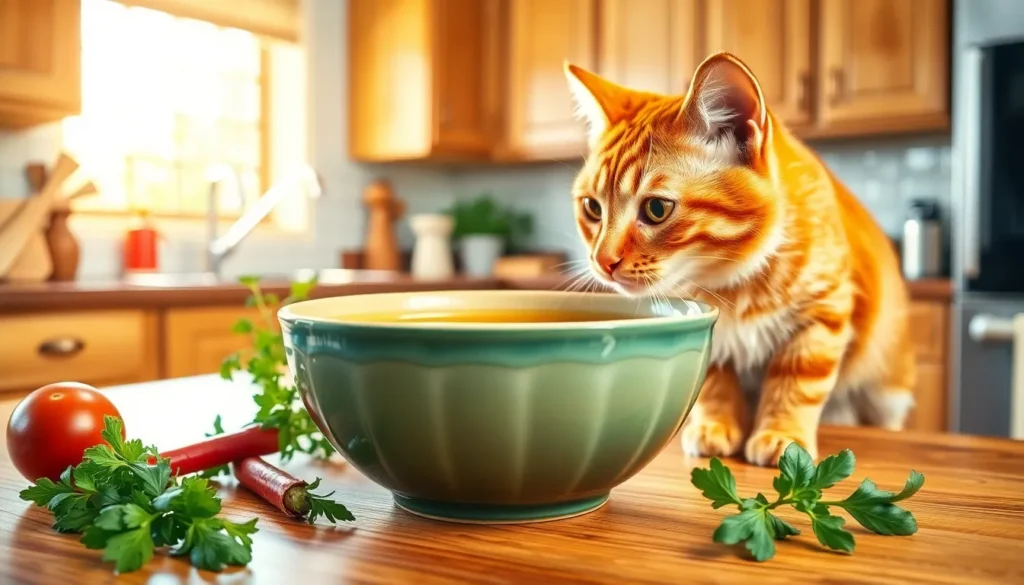
Cats may rule the household, but when it comes to nutrition, they can be a bit picky. Enter bone broth—a gourmet treat that’s not just for humans anymore. Packed with nutrients and flavor, this liquid gold can transform your feline’s dining experience from mundane to magnificent. Who knew that your cat could be a culinary connoisseur?
What Is Bone Broth?
Bone broth is a nourishing liquid made from simmering animal bones, connective tissues, and sometimes vegetables. This process extracts nutrients, minerals, and collagen, creating a rich source of nourishment. Cats benefit from bone broth’s easily digestible qualities that provide hydration and nutrition in a flavorful form.
Typically, bone broth contains essential amino acids like glycine and proline, vital for various bodily functions. It offers glucosamine and chondroitin, supporting joint health and mobility. Mineral content, including calcium and phosphorus, aids in promoting strong bones and teeth.
Cooking methods can vary; many recipes utilize beef, chicken, or fish bones. By simmering for long periods, these recipes maximize nutrient extraction, producing a gel-like consistency. Various brands also provide commercial bone broth products, convenient options for pet owners without the time to prepare homemade versions.
Serving suggestions include using bone broth as a meal toppper, bridging the gap between dry food and hydration. Many cats find the aroma and taste appealing, making it more enticing than traditional water. Adjustments can involve adding small amounts to both wet and dry cat food, creating a gourmet experience that cats appreciate.
Storage methods include refrigeration or freezing for optimal freshness. Depending on the preparation, bone broth can last up to a week in the fridge or several months in the freezer. Ensuring proper handling and storage prevents spoilage, maintaining its nutritional benefits for feline companions.
Nutritional Value of Bone Broth for Cats
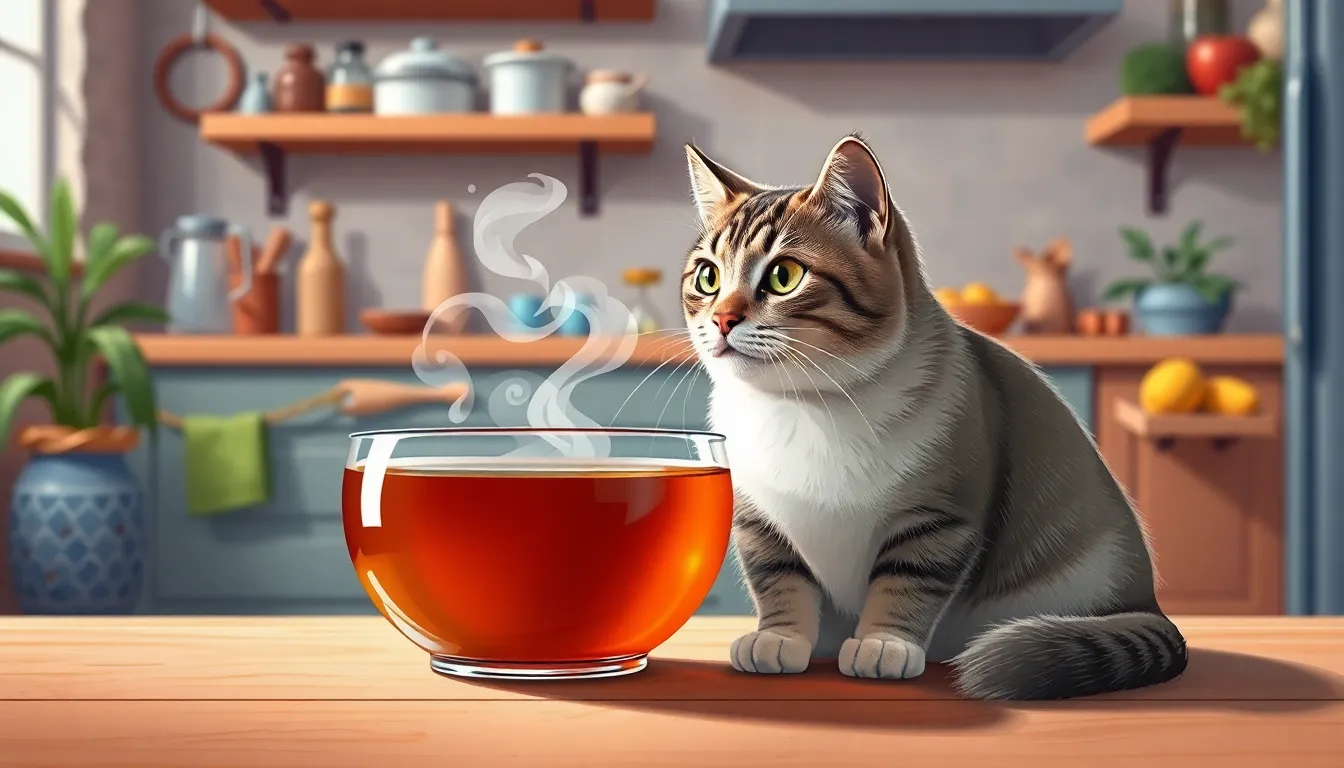
Bone broth offers substantial nutritional benefits for cats. It’s loaded with essential nutrients that enhance their diets.
Essential Nutrients
Glycine plays a vital role in promoting gut health and aiding digestion. Proline contributes to collagen production, hence supporting skin and joint health. Glucosamine and chondroitin help maintain cartilage and support joint function. Calcium and phosphorus foster strong bones and healthy teeth. Amino acids present in bone broth support muscle growth and repair. They aid in the absorption of valuable nutrients, making bone broth a beneficial addition to a cat’s diet.
How It Supports Overall Health
Bone broth supports overall hydration in cats, especially when they show reluctance to drink water. Nutrients present in broth can enhance immune function, helping prevent illnesses. Addition of bone broth to meals can boost appetite for picky eaters. Its anti-inflammatory properties may alleviate joint pain for older cats. Digestive health improves significantly with the inclusion of bone broth due to its nutrient-rich nature. Long-term benefits include a shinier coat and increased energy levels, keeping cats active and healthy.
Bone Broth for Cats Benefits
Bone broth offers numerous benefits for feline health, serving as a nutritious addition to their diet. Its rich composition supports various aspects of a cat’s well-being.
Improved Digestion
Bone broth aids digestion significantly. The gelatin derived from cooked bones enhances gut health by promoting healthy intestinal lining. Cats experiencing digestive issues may find relief through the inclusion of bone broth in their diet. Additionally, it encourages nutrient absorption, ensuring cats receive essential components from their food. Combining bone broth with their regular meals improves both palatability and digestion, making it easier for them to consume necessary nutrients.
Joint Health and Mobility
Joint health improves notably with the regular consumption of bone broth. Glucosamine and chondroitin found in bone broth combat joint pain and inflammation. Active cats benefit from increased mobility, while older cats experience enhanced comfort in their daily movements. The presence of collagen supports cartilage health, contributing to overall joint function. By incorporating bone broth into their diet, pet owners can help maintain their cats’ agility and vitality over time.
Hydration and Nutrition
Hydration remains crucial for feline health, and bone broth provides an excellent source of fluids. Cats that tend to drink less water can receive essential hydration from this flavorful liquid. Nutritional content includes vital amino acids and minerals, ensuring overall health. When used as a meal enhancer, it not only improves hydration but also enriches a cat’s diet with important nutrients. Regularly serving bone broth supports both hydration and nutrition, contributing to a happier and healthier feline friend.
How to Incorporate Bone Broth into Your Cat’s Diet
Bone broth offers a simple way to elevate a cat’s meals while providing numerous health benefits. Incorporating it into a cat’s diet can be straightforward with the right approach.
Homemade Bone Broth Recipes
Making homemade bone broth ensures freshness and quality. Start by using animal bones, such as chicken or beef, ideally with some meat attached. Simmer the bones in water for 24 to 48 hours to extract nutrients. Add apple cider vinegar to enhance mineral extraction. After simmering, strain the liquid and let it cool before serving. Portion the broth into containers for easy storage in the refrigerator or freezer. Always check temperatures before offering it to avoid burns.
Store-Bought Options
Commercial bone broth products provide convenience without sacrificing nutrition. Look for options that contain no artificial additives or preservatives. Brands that specifically cater to pets ensure quality ingredients. These broths typically come in resealable packages, making storage and serving simple. Pour the broth over dry or wet food to entice picky eaters. Always check the serving size to prevent overconsumption. Read labels for specific nutritional information to confirm it aligns with dietary needs.
Safety Considerations
Monitoring the ingredients in bone broth is crucial for cat safety. Avoid using onions or garlic, as these can be toxic to cats. High sodium levels can lead to health issues, so opting for low-sodium recipes or store-bought options is advisable.
Consulting a veterinarian before making dietary changes ensures that bone broth fits into a cat’s overall nutrition plan. Individual allergies may arise, making it essential to introduce bone broth gradually. Starting with small portions allows for observation of any adverse reactions.
Not all bones are safe for pets; ingredients like cooked bones can splinter and cause harm. Stick to raw bones or well-prepared, strained broth to minimize this risk. Proper storage of homemade bone broth helps maintain its freshness and prevents bacterial growth.
Serving remains an important aspect; any broth given should be at room temperature. Cold broth might irritate a cat’s digestive system. Regular diet adjustments may be necessary to accommodate the additional calories and nutrients from bone broth.
Lastly, examining the cat’s overall health is essential. Older cats or those with existing health conditions may require specific dietary management. Regular vet check-ups help guide any decisions related to incorporating bone broth into a feline’s meals.
Conclusion
Incorporating bone broth into a cat’s diet can significantly enhance their overall health and well-being. Its rich nutrient profile supports digestion joint health and hydration while also appealing to even the pickiest eaters. With the potential to improve coat condition and energy levels bone broth serves as a valuable addition to feline nutrition.
Whether homemade or store-bought it’s essential to ensure safety and quality when introducing this gourmet treat. By making informed choices and consulting with a veterinarian pet owners can confidently provide their cats with the benefits of bone broth. This nourishing option not only elevates mealtime but also contributes to a happier healthier feline companion.