

Eating healthy doesn’t have to mean munching on bland salads or pretending kale chips are the new potato chips. With a well-planned grocery list, anyone can transform their kitchen into a vibrant hub of delicious, nutritious meals. Imagine filling your cart with colorful fruits and veggies while feeling like a culinary superhero ready to conquer the week.
Understanding Healthy Food Choices
Choosing healthy foods leads to better overall health and wellness. A well-balanced diet offers numerous benefits, enhancing both physical and mental well-being.
Importance of a Balanced Diet
A balanced diet provides essential nutrients the body requires. Consuming the right proportions of carbohydrates, proteins, and fats supports energy levels and proper functioning. Individuals who maintain balanced diets often experience improved mood, better weight management, and reduced risk of chronic diseases. Regular intake of various food groups ensures vitamins and minerals are adequately supplied. Prioritizing whole foods over processed options enhances nutrient density. Healthy choices contribute significantly to long-term health outcomes.
Nutritional Guidelines to Consider
Adhering to nutritional guidelines helps individuals make informed food choices. The USDA recommends filling half the plate with fruits and vegetables, offering vital vitamins and fiber. Whole grains should form a substantial portion of daily intake, providing sustained energy. Lean proteins, including fish, poultry, legumes, and nuts, support overall body function. Limiting added sugars and saturated fats is crucial for maintaining a healthy weight. Staying adequately hydrated with water also plays a significant role in nutrition. By following these guidelines, individuals can create diverse and enjoyable meals that promote health.
Essential Categories for Your Grocery List
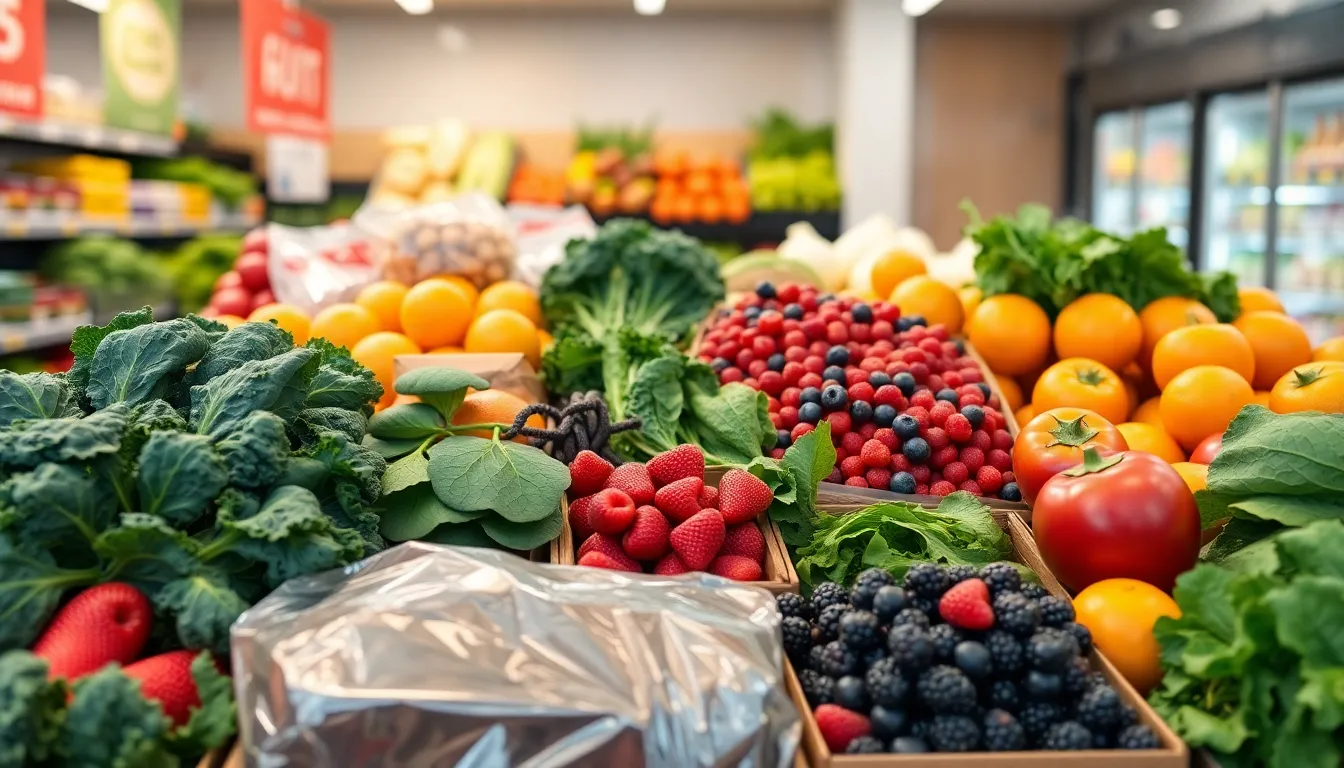
A well-rounded grocery list focuses on key food categories essential for healthy eating. Each category contributes to proper nutrition and overall wellness.
Fruits and Vegetables
Fresh fruits and vegetables provide essential vitamins and minerals. Aim for a variety of colors to ensure a diverse nutrient intake. Consider including items like kale, spinach, berries, and oranges. Organically grown produce may offer enhanced nutrient profiles. Seasonal options boost flavor and reduce costs. Incorporate at least five servings daily for optimal health benefits.
Whole Grains
Whole grains form the foundation of a healthy diet. Choose options such as brown rice, quinoa, and whole wheat bread. These alternatives supply more fiber and nutrients than their refined counterparts. Fiber aids in digestion and supports weight management. Look for products that list whole grains as the first ingredient. Regularly including whole grains can reduce the risk of chronic diseases.
Lean Proteins
Lean proteins are vital for muscle maintenance and repair. Incorporate sources such as chicken breast, fish, beans, and tofu. These options provide essential amino acids with less saturated fat. Aim for protein to constitute a quarter of your plate. Eating a range of proteins may enhance meal satisfaction. Proteins also support energy levels throughout the day.
Healthy Fats
Healthy fats play a significant role in heart health. Include options like avocados, nuts, seeds, and olive oil in your grocery list. These fats support brain function and help absorb fat-soluble vitamins. Limit saturated and trans fats found in processed foods. Balancing healthy fats in your diet can improve cholesterol levels. Aim for incorporating these fats in moderation for optimal benefits.
Healthy Food Grocery List
Creating a healthy food grocery list enhances meal planning and nutritional intake. Here are some actionable tips to ensure that the list reflects healthy choices.
Planning Ahead
Planning ahead maintains focus on healthy eating. Start by evaluating the week’s schedule to determine meal needs. Make a list of recipes that utilize wholesome ingredients for balanced meals. Include seasonal fruits and vegetables for freshness and variety. When narrowing down options, aim for at least five servings of fruits and vegetables daily. This strategy not only boosts nutrient intake but also keeps meals exciting. Check pantry supplies to avoid duplicate purchases and minimize waste.
Shopping Smart
Shopping smart contributes to healthier choices and better budgeting. Stick to the grocery list to prevent impulse buys, especially in aisles filled with less nutritious options. Focus on the perimeter of the store, where fresh produce, grains, and proteins typically reside. Look for whole foods over processed items, which usually contain additives and unhealthy fats. Always read labels to identify helpful nutritional information. By paying attention to unit pricing, individuals can make informed decisions on bulk purchases that save money while enhancing health.
Incorporating Seasonal and Local Foods
Fresh, seasonal produce adds variety and flavor to meals while promoting health. Emphasizing local options enhances nutritional value and supports sustainable eating.
Benefits of Seasonal Produce
Seasonal produce typically offers improved taste and nutritional content. Fruits and vegetables picked at their peak ripeness provide maximum flavor and essential vitamins. Consuming seasonal items often leads to lower costs; farmers tend to price these products competitively when they are abundant. Additionally, variety introduces new tastes and textures, encouraging adventurous cooking and meal creativity.
Supporting Local Farmers
Purchasing from local farmers strengthens communities and promotes sustainable practices. Local products usually require less transportation, reducing carbon footprints and supporting environmental health. Moreover, farmers’ markets foster relationships between consumers and producers, creating trust in food sourcing. Supporting local agriculture helps to ensure the viability of small farms, which play an essential role in maintaining biodiversity and food security.
Conclusion
A well-planned grocery list can transform the way individuals approach healthy eating. By focusing on colorful fruits and vegetables whole grains lean proteins and healthy fats they can create meals that are both nutritious and satisfying. This thoughtful approach not only enhances physical health but also supports emotional well-being.
Incorporating seasonal and local foods adds variety and flavor while promoting sustainability. By shopping smart and sticking to a grocery list individuals can make informed choices that align with their health goals. Embracing these practices leads to a more enjoyable and fulfilling relationship with food ensuring long-term wellness and vitality.